Bee and the Horse
The Academic Art of Riding Blog from Poland
Something Is Ending, and Something Begins.
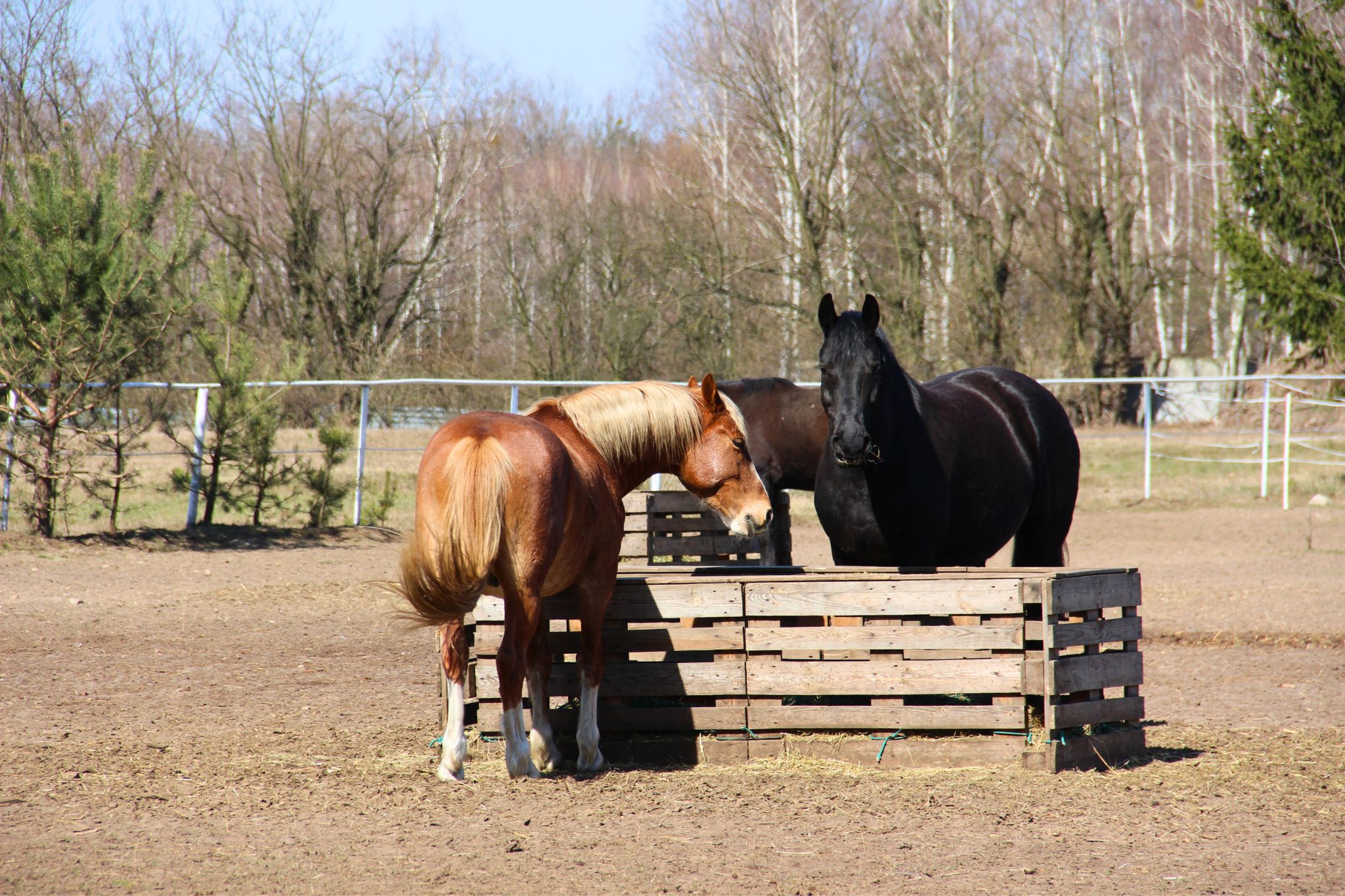
We live at a time where we can truly re-evaluate horse training and decide what we want to carry forward, and what we finally leave behind. I know I have changed my training a lot over the last two decades, and I don’t experience that as a loss. Quite the opposite.
I do understand that in some places, horses have a job to do. They can’t just run away with the plow when they are afraid. And not everyone has the education (or support) to teach in a way that helps a horse do hard things with a regulated nervous system. But if I’m honest, many things we ask of horses today don’t have real use behind them. It’s often just a human deciding, “That’s a good idea.”
Luckily, most of us have our horses as family members. And that is exactly why I think it’s time to look at tradition with clear eyes: take what’s useful for our times, and let go of the rest. Some things were once “normal,” even for the old masters, like causing blood with the spur. I don’t believe we need to carry that forward.
And what about the art of riding? That’s a good question. When it’s done without ego, without too much ambition, I think it can be a wonderful way to spend time with horses. For me, it’s a conversation. Learning and developing is good – for us and, in my experience, for the horses too, especially when there is choice. But it has to happen without pressure. We have to stay awake to what the horse can do with comfort, and what becomes too difficult, or even painful. Not every horse needs high level dressage. My Weto, for example, has some physical challenges, and that’s why I’ve chosen to stay with what he can do easily. Not push him toward what might be possible, but uncomfortable.
I also think we need to learn more about the horse as a species and adjust what we do accordingly – how we train, how we feed, how we keep them. There are so many experts out there now, from equine behaviour to nutrition, from hoof care to saddle fitting. The more we learn, the more informed our choices can be. We won’t do everything perfectly. But we should allow ourselves the chance to evolve. To change. To let go. Just because something has always been done a certain way doesn’t mean we need to keep doing it.
And yes – of course there are situations where a horse can be a threat to humans or to themselves, and sometimes we have to act more forcefully so nobody gets injured. That is real life. Still, in my experience, even many of those situations could be solved differently, or wouldn’t happen in the first place if we prepared the horse better. (For example: teaching a horse that it’s okay to be alone for a moment, and how to self-regulate, instead of escalating when the group is led away and one is left behind.)
So maybe, as a thought for the new year, we ask ourselves: What we want to take with us? What we want to leave behind.? And what could become possible if we choose progress over habit – without provoking, without shaming – just with honesty, care, and the willingness to do better?

 Bee and the Horse